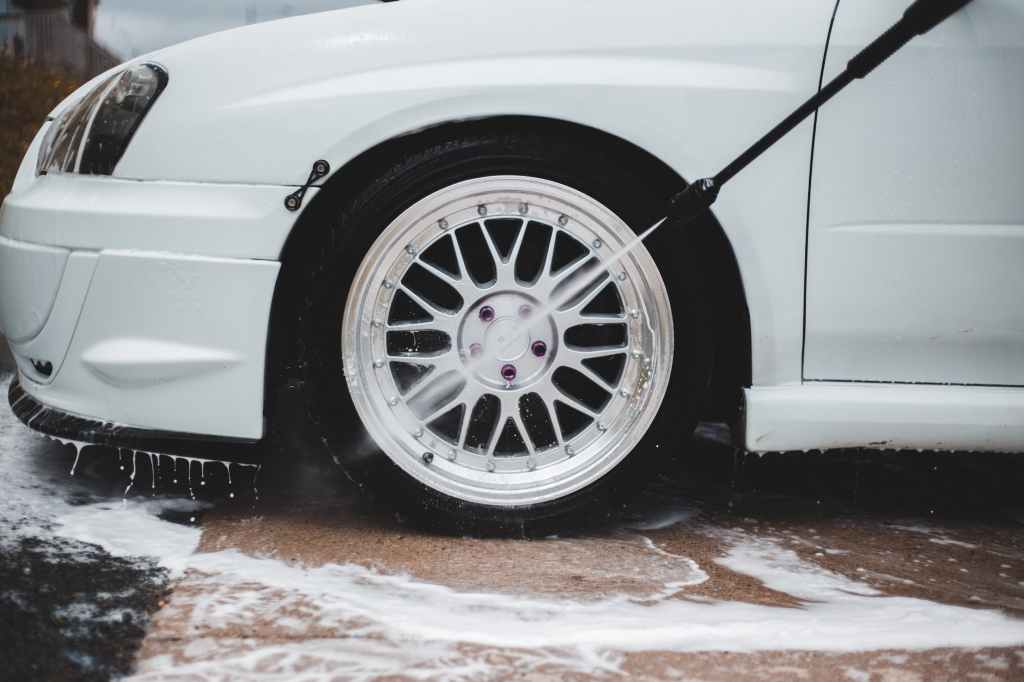
In the realm of cleanliness and outdoor maintenance, professional pressure washers stand as indispensable tools. Designed for heavy-duty applications and frequent use, these machines offer unparalleled power and efficiency. Let’s delve into the world of professional pressure washers, exploring different models, their advantages, and potential drawbacks.
- Advantages: Petrol-powered pressure washers are renowned for their mobility and high performance. They don’t rely on electrical outlets, making them suitable for remote locations or areas without power access. These machines typically deliver higher PSI (pounds per square inch) ratings, making them ideal for tackling tough grime and large surface areas.
- Disadvantages: Petrol-powered models tend to be louder and emit exhaust fumes, which may not be suitable for indoor use or enclosed spaces. They also require regular maintenance, including oil changes and spark plug replacements. More info…
- Advantages: Electric pressure washers are favoured for their ease of use, quieter operation, and lower maintenance requirements. They are ideal for indoor use or environments where noise and exhaust fumes are a concern. With advancements in technology, some electric models offer comparable performance to their gas-powered counterparts.
- Disadvantages: Electric pressure washers typically have lower PSI ratings compared to gas-powered models, which may limit their effectiveness for heavy-duty tasks. They are also dependent on power outlets, restricting their mobility. More info on electric pressure washers…
- Advantages: Hot water pressure washers are specifically designed for removing tough grease, oil, and grime. By heating the water, these machines enhance cleaning efficiency and reduce the need for harsh chemicals. They are commonly used in industrial settings, automotive workshops, and food processing facilities.
- Disadvantages: Hot water pressure washers tend to be more expensive and require additional maintenance due to the heating elements. They also consume more energy compared to cold water counterparts. More information…
- Advantages: Trailer-mounted pressure washers offer unparalleled mobility and power, making them ideal for large-scale cleaning projects. These units are mounted on trailers or skids, allowing them to be easily transported to different job sites. They are commonly used in construction, agriculture, and municipal cleaning applications.
- Disadvantages: The initial investment and operating costs for trailer-mounted pressure washers can be substantial. Additionally, they require proper towing equipment and may necessitate a dedicated vehicle for transportation. Find out more…
- Custom-Built Pressure Washers:
- Advantages: Some professional pressure washer manufacturers offer custom-built solutions tailored to specific requirements. These machines can be designed to meet unique performance specifications, including water flow rates, pressure levels, and mobility features.
- Disadvantages: Custom-built pressure washers may come with longer lead times and higher costs compared to off-the-shelf models. They also require careful planning and coordination to ensure they meet the desired performance criteria.
In conclusion, professional pressure washers play a vital role in maintaining cleanliness and hygiene across various industries and applications. Whether you’re tackling tough grime on construction sites or sanitizing surfaces in food processing facilities, there’s a professional pressure washer to suit your needs. By understanding the different models available and their respective advantages and disadvantages, you can make an informed decision and invest in the right tool for the job.
 The Red Directory